


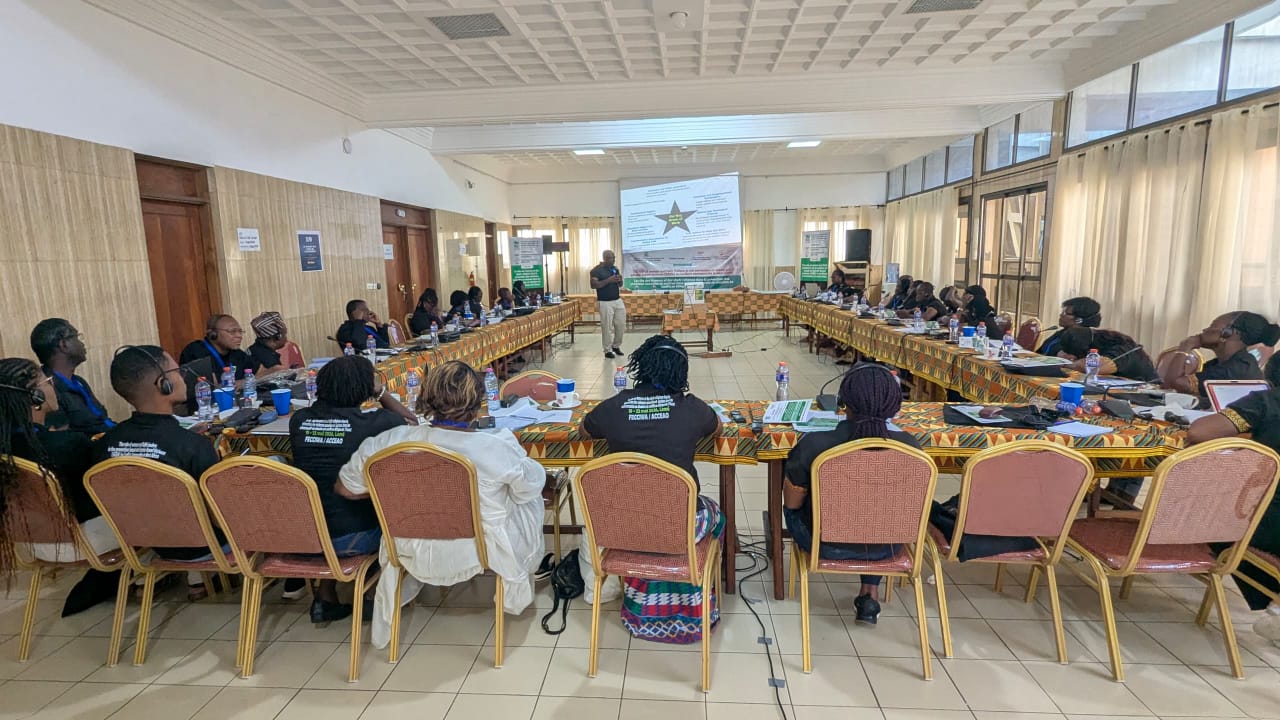
From 19–23 May 2025, faith leaders, women’s advocates, and regional ecumenical bodies gathered in Lomé, Togo, for a workshop hosted by the Fellowship of Christian Councils and Churches in West Africa (FOCCIWA). The focus was practical: how women and faith leaders can prevent and respond to Sexual and Gender-Based Violence (SGBV) in conflict-affected communities across West Africa.
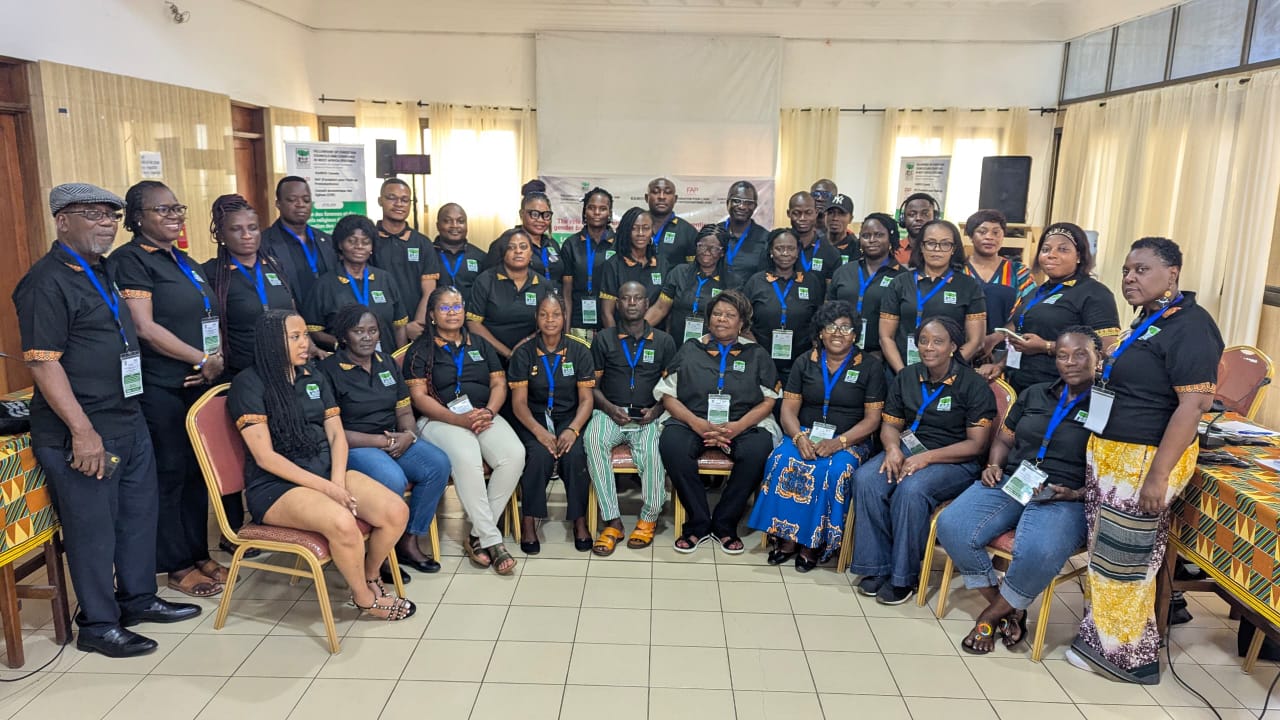
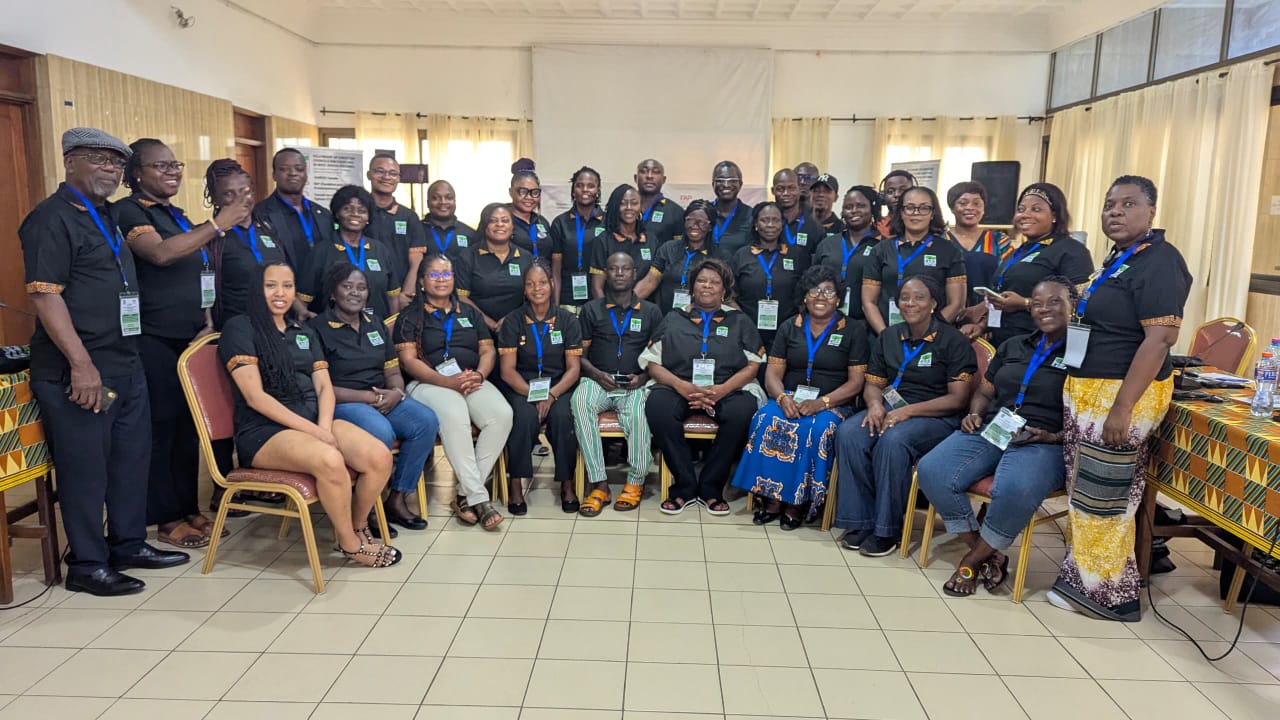
FOCCISA, the Fellowship of Christian Councils in Southern Africa, was represented at the workshop. FECCLAHA from East Africa was also present, making this a rare opportunity for three regional networks to align on strategy.
Key Themes and Discussions
Culture, context, and SGBV. The group examined how local culture and context shape both the perpetuation and prevention of SGBV, and stressed that interventions fail when they ignore the social realities on the ground.
SGBV in conflict and climate crises. Conflict and climate shocks increase vulnerability. Participants shared field examples of how women and faith leaders are already filling gaps in protection and early warning where state systems are absent.
Navigating law, religion, and culture. Faith leaders are uniquely positioned to reinterpret texts and traditions in ways that reject violence and uphold the dignity of women and girls.
Counselling, protection, and accompaniment. Sessions covered trauma-informed counselling for survivors, approaches to engaging perpetrators with accountability, and practical tools for safe accompaniment and community-based monitoring.
Storytelling, training, and media advocacy. Storytelling emerged as both a healing tool and an advocacy strategy. The group mapped how radio, social media, and faith communication channels can shift harmful norms while amplifying survivor voices responsibly.
Building Continental Collaboration
Beyond the training, representatives from FOCCISA, FECCLAHA, and FOCCIWA held a side meeting to map the way forward for collaboration and cooperation. The shared priority is clear: strengthening relationships between regional networks for greater impact across the continent. By coordinating training, advocacy, and response mechanisms, the three bodies aim to create a more connected and effective ecumenical response to SGBV in Africa.
Next Steps
FOCCIWA will coordinate follow-up with participants to support roll-out of training in their respective countries. The regional networks will continue discussions on joint initiatives, shared resources, and cross-regional learning. For more information or to partner on prevention efforts, contact FOCCIWA through the Secretariat in Lomé.
Regional networks in West, Southern, and East Africa, FOCCIWA, FOCCISA, and FECCLAHA, work to promote peace, justice, and human dignity across the sub-regions through ecumenical collaboration and community action.